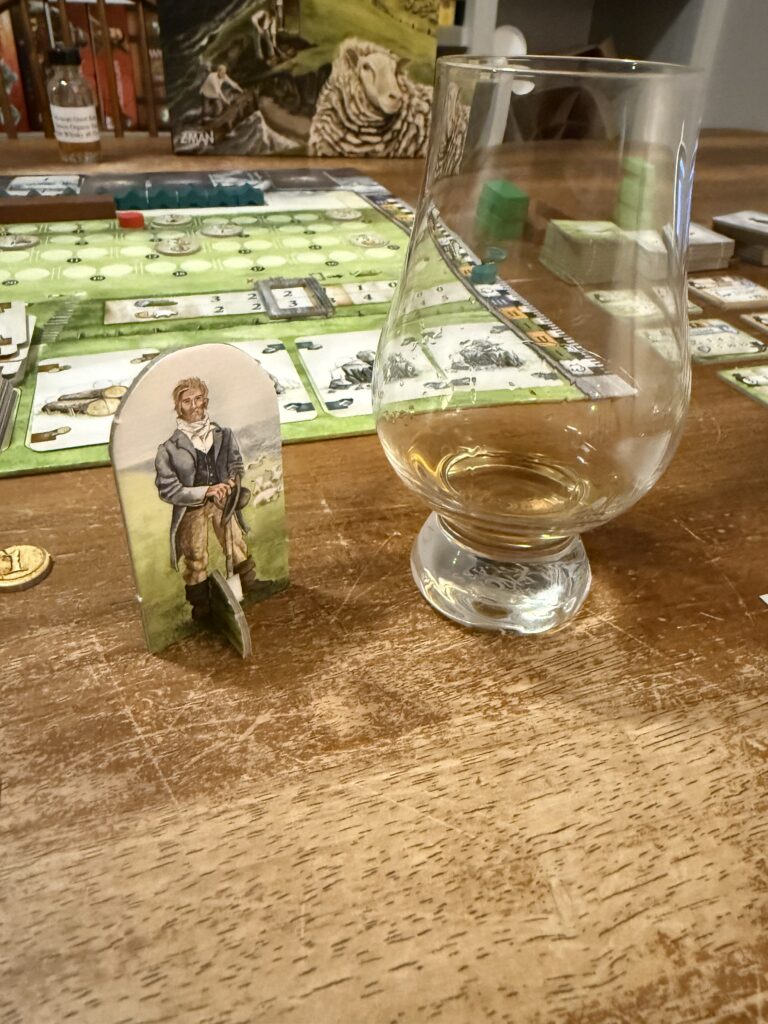
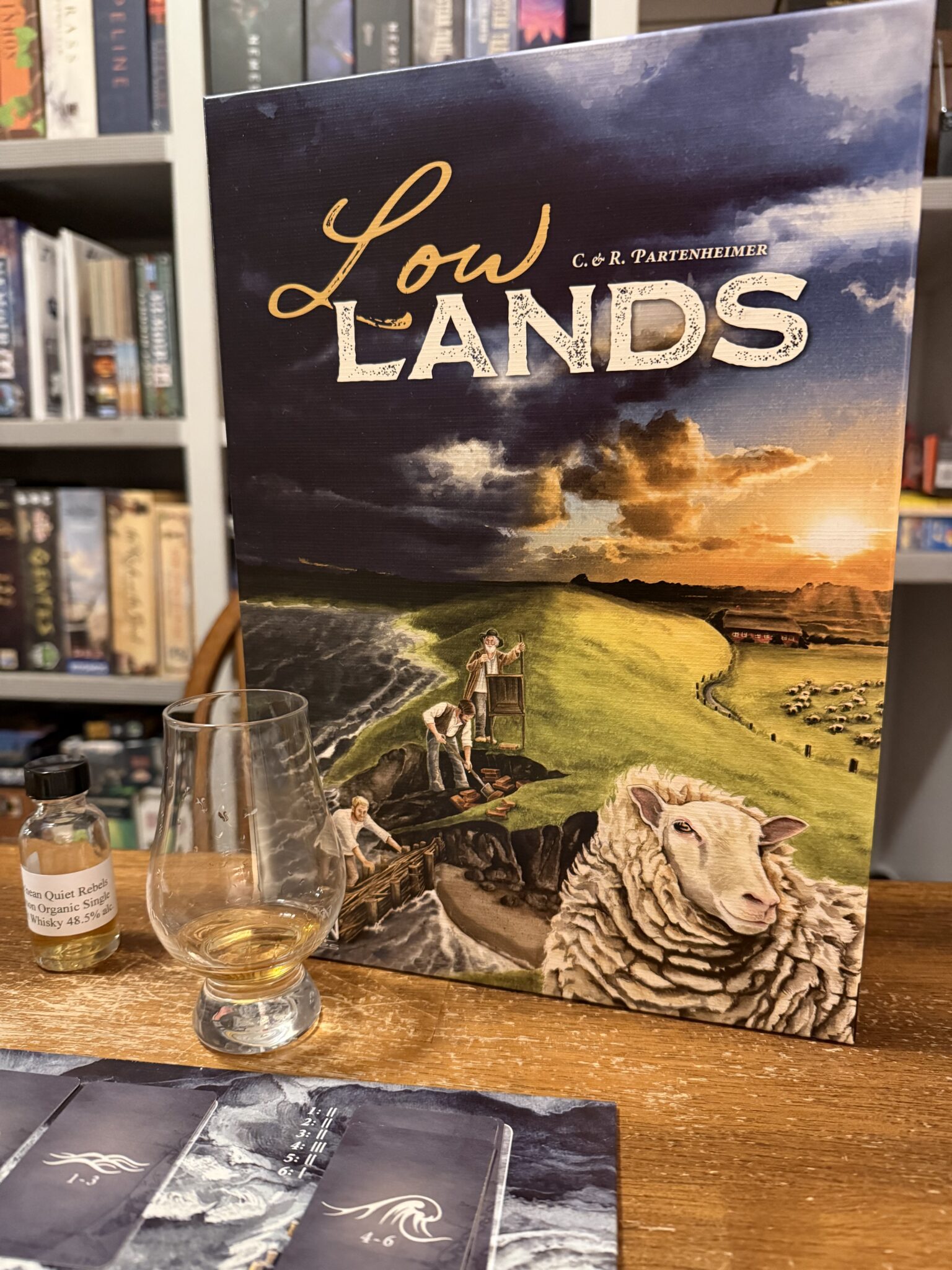


This month’s pairing takes us back to the shores of the Scotland, one of those places I talk about a lot but have never actually been to. With how much Scotch I drink, I should eventually make a point to get over there – maybe my editors will fly me out for a research trip one of these days? Fingers crossed! Putting that aside, I hope you enjoy!
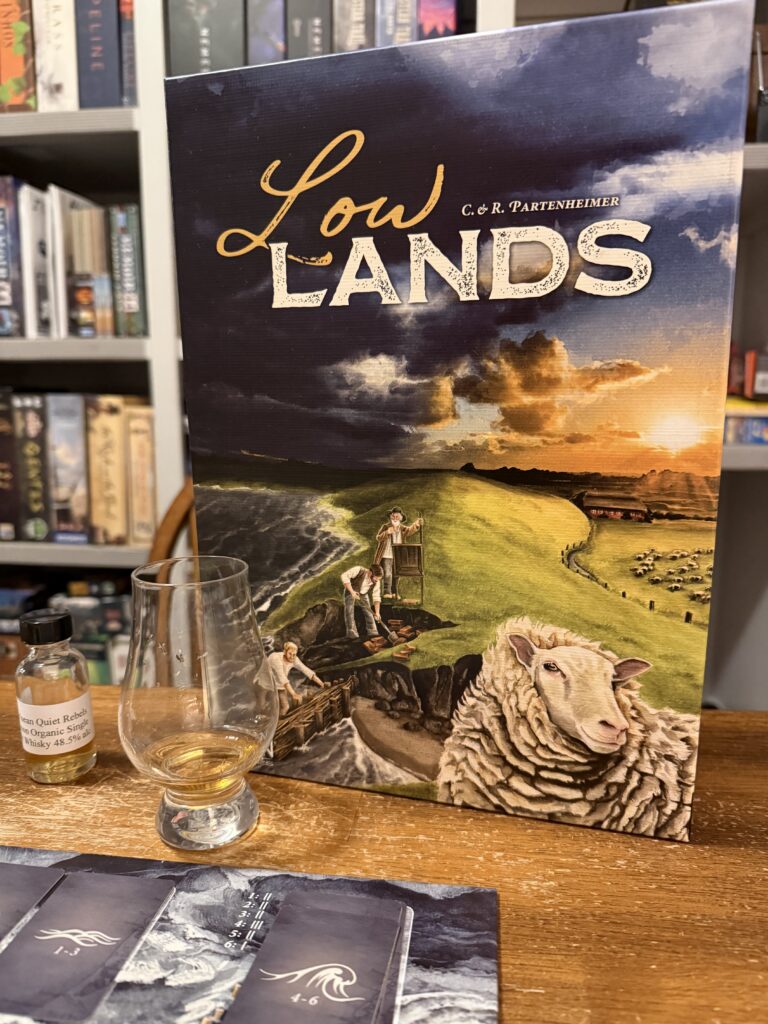
The Pairing: Mc’nean Quiet Rebels Simon Single Malt with Lowlands
The Whiskey: Mc’nean Quiet Rebels Simon Single Malt Whiskey
Before I get into the background on this bottle, I want to share that sample of this pour was graciously provided to me by the distributor ImpEx Beverages – many thanks to them. This bottle is apart of the “Quiet Rebels” series from Mc’nean Distillery, in which specific team members inspire the production and aging of a limited run of whiskey. This is Simon’s release – Simon is one of the distillery’s longest tenured distillers. I think the concept of this series is really cool, so I’m excited to try this one.
On the nose, I find a delightful medley of different notes swirling together. I initially find spiced pear and granny smith apple, which makes me think of some Red Breast pours I’ve had. I adore Red Breast, so this is a big compliment. Further nosing leads to buttered bread and pastries, along with baking spices. These notes together make me think of freshly-baked apple pie – so good. After some swirling, some light citrus emerges, manifesting as limoncello, along with vanilla bean. This is a beautifully diverse nose, worthy of more exploration.
The palate delivers on the promise of the nose. Fruity goodness like that spiced pear mentioned earlier are immediately apparent, along with some light cherry. Chocolatey notes like fudge also emerge, complimenting the fruit-forwardness. I also start to find some coffee bean notes as I taste, offering a contrast to the sweeter notes that lead the palate. Like the nose, this palate is diverse and well-rounded, offering much to appreciate and explore.
Finally, I find the finish to share the richness of the palate, carrying forward the notes of spiced pear and coffee bean. The fudge note also dances in the background. This finish is strong, slowly fading and leaving lingering notes on my tongue.
This pour has many of the hallmarks of what I appreciate about this region’s whiskey – fruit forward, with darker notes to compliment it and offering lots of depth. There are some pours that leave you with the impression that there’s more to be found upon returning, and this is one of those pours for sure.
The Game: Lowlands
Lowlands is a bit of an oldie by board game standards, being published in 2018 by Z-Man Games. It is the only game design from Claudia and Ralf Partenheimer, and it also comes with Uwe Rosenberg’s stamp of approval, which carries a lot of weight in the board game world. In Lowlands, players take up roles as sheep farmers in the lowlands of Scotland. In this land, the threat of storms and flooding constantly loom, meaning that the community goal of building dikes for protection is important. But, the farms are individually owned, which means that not every decision can be made with the group’s interest in mind. In the game, mechanically, this means players must constantly choose between contributing their action points and resources to the dike or focusing on building up their farm. You must strike a balance between these actions – the game punishes players who do too much of one thing.
The big point generators at the end are sheep and dike points, which are rewarded for contributing to the dike. If the dike breaks too many times throughout the game, sheep are worth less because the market is flooded with farmers trying to sell their sheep. If the dike continually holds, which means it was contributed to a lot, dike points are less valued, meaning the points that players spent many resources collecting aren’t worth that much in the end. This creates a strange, almost perverse incentive in which players need to contribute to the dike, but not too much – it almost needs to break a bit to be worth anything at the end. I’m not entirely sure I understand the thematic reason for this, but the incentive is certainly there, and it shapes how players play the game. The rest of a player’s actions are spent building out their farm, buying and selling sheep, and collecting resources. There are a lot of special buildings players can purchase to enhance their farm, making it more efficient or more able to hold sheep for example, but focusing too much on this means the dike will probably break and your sheep will be washed away and made less valuable. The heart of the game really lives in this tension.
In many ways, Lowlands offers pretty typical euro fare – it has worker placement, resource management, and punishes inefficiency. It deserves credit for doing these things well, but it doesn’t stand out for these mechanics. What gives the games its spice is that tension around the dike mentioned earlier – this is what will bring me back for more plays. Credit to the designers for the unique concept and capturing the reality of this environment so poignantly. This is a good game, and is worth checking out if you like euros with unique twists.
The Final Pairing: This is an exciting pairing to me – I think there’s a lot that ties them together thematically. The big point in my mind is the idea of the individual working within the collective. In Lowlands, players are constantly torn between looking out for their own needs and the needs of the community. Their work on their individual farm creates nuanced strategies, but their work on the collective goal of building up the dike is what allows these strategies to flourish. In the Mc’nean Quite Rebel series, individual distillers have the opportunity to make their mark on a whiskey. It is crafted to their palate and represents them. But at the same time, it’s only created through the greater efforts of the distillery around them. Without the dozens or hundreds of other people involved with the process of creating the whiskey, it would never see the light of day. Both the game and whiskey capture this idea of individual/collective well, and this theme marries them together. I also see a link in the environmental ethos around these two products – Mc’nean has a philosophy built around sustainability and working with the environment by using organic barley and carbon-negative operations. Similarly, in Lowlands, players are scratching out a living in a tough part of the world, not by exploiting it, but by working alongside it. In this way, they share a similar spirit.
Thanks again to ImpEx for the sample. Cheers and happy gaming!